Not All Angels Wear Scrubs
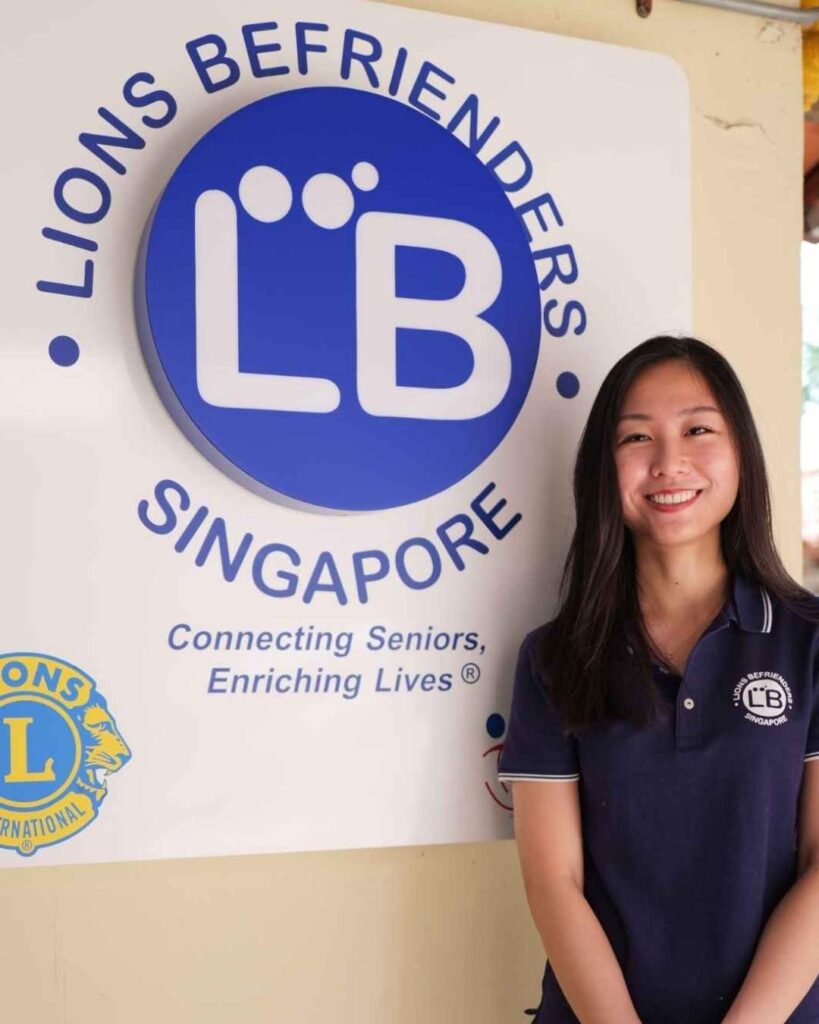
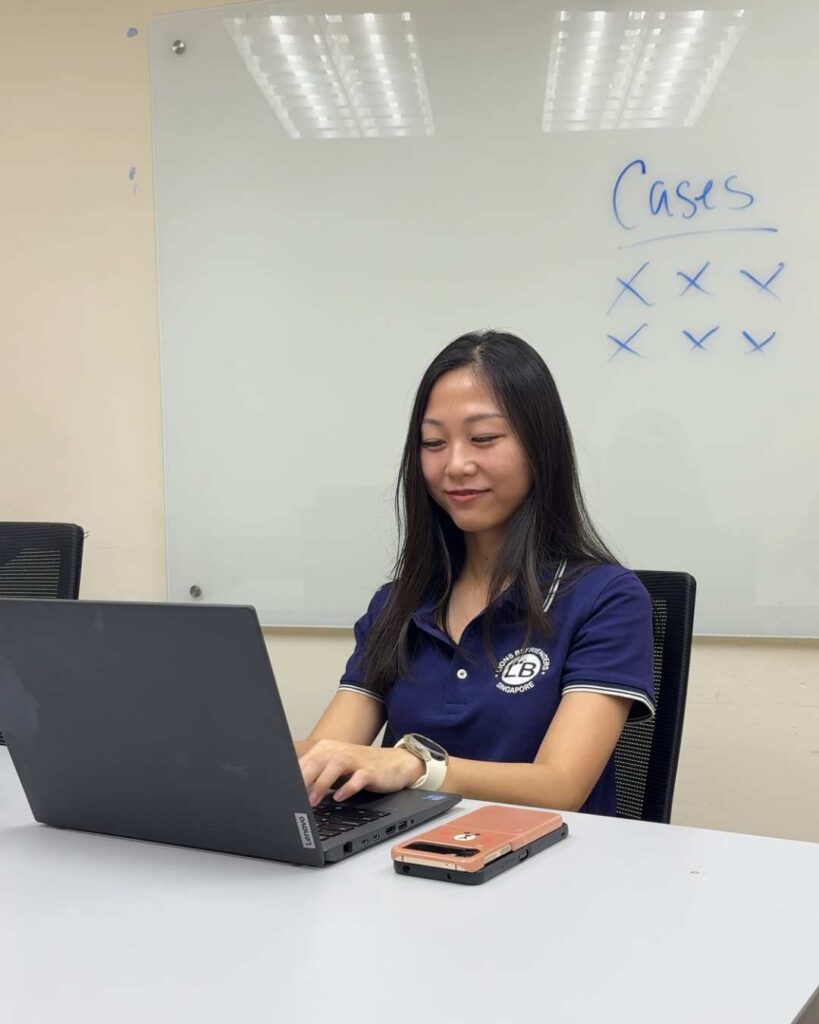
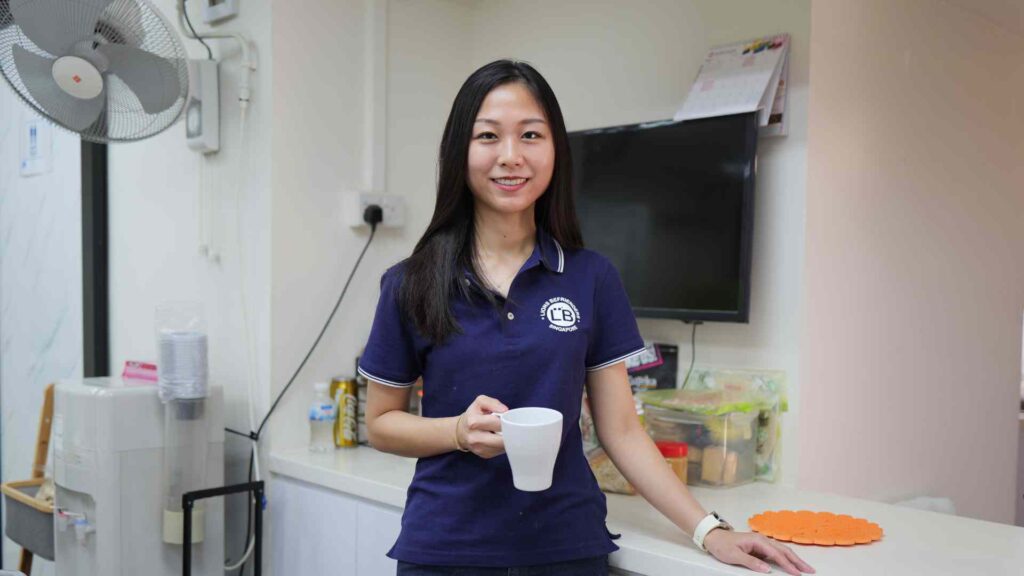
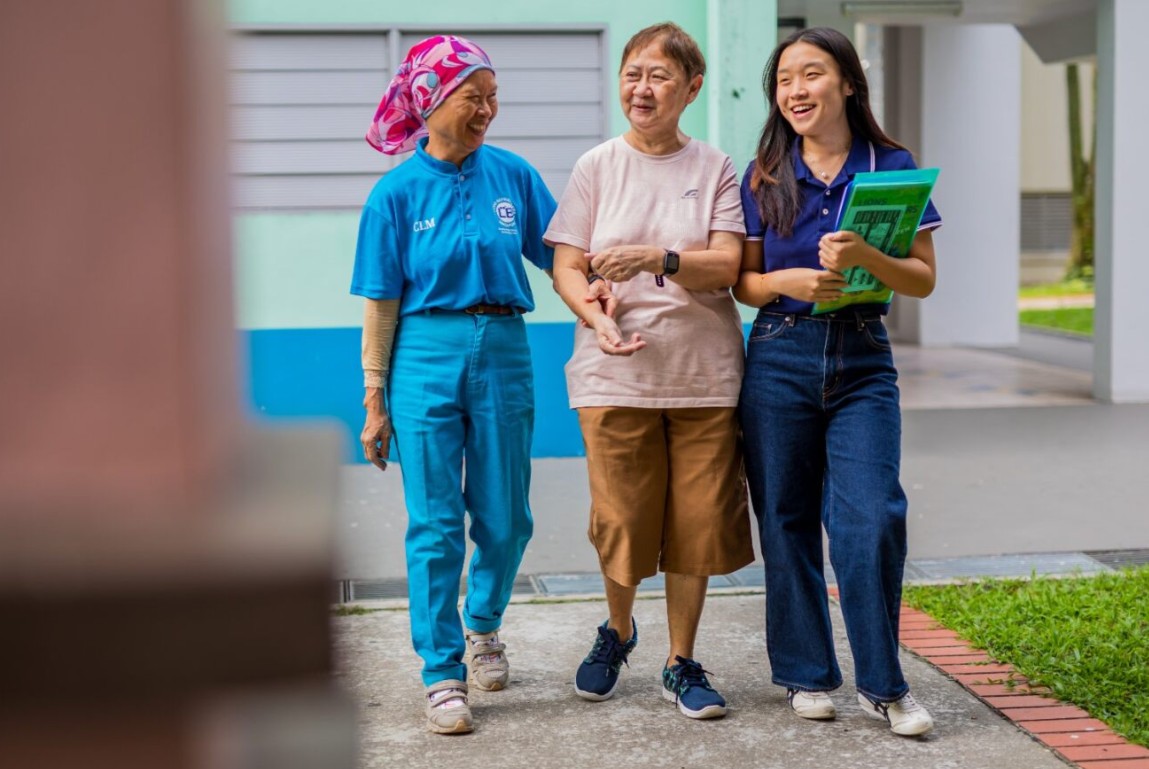
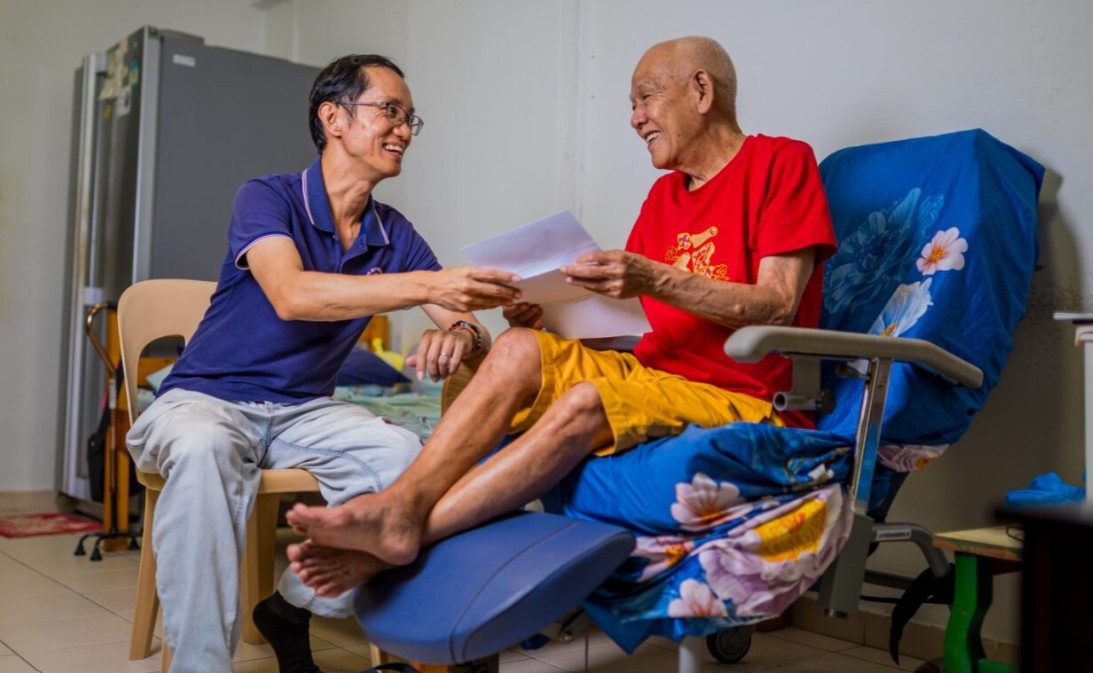
On a typical morning in the community, Alyxandra Xu, 30, makes her way to a senior’s home. She’s not in scrubs, but she carries something just as vital: deep clinical insight, empathy, and a quiet determination to serve. Alyxandra, known affectionately as Aly, is not your typical nurse anymore. Today, she walks a different path, one rooted in presence, understanding, and holistic care as a Social Worker with the Community Case Management Service (CCMS) at Lions Befrienders (LB).
Aly is one of the youngest Social Workers at Lions Befrienders, and she didn’t get here the usual way. She started her career as a nurse, where she thrived on IV drips, blood pressure readings, and the adrenaline rush of the wards. Somewhere along the way, she felt something else tug at her heart.
“I realised,” she says, “that nursing in the hospital only focuses on the clinical side. But rebuilding someone’s health is more than medication. It’s also their mood, their social life, their emotions, and that was missing.”
So, after six intense years in the healthcare trenches, Aly made the bold leap. She swapped her nurse’s uniform for a different kind of role — community-based social work with seniors. And for someone her age, that’s rare.
“I could’ve gone into youth work, but I connect better with seniors,” she says with a smile. “Even though my own parents and grandparents are all healthy, I’ve always felt drawn to older people.”
She adds that there’s something about their honesty, the way conversations often cut straight to what matters.
From Needles to Neighbours : A Shift in Mindset
Switching fields wasn’t easy. In the beginning, Aly had to constantly remind herself: You’re not a nurse anymore. “I was used to thinking medically; change the meds, adjust the dosage, treat the symptoms. Now, I had to reframe everything through the social lens. The BPSS model: biological, psychological,social and Spiritual factors.”
She chuckles, “I miss cannulating! That moment when you get the backflow? Super satisfying.” Then she pauses. “But now, my satisfaction comes from different things like seeing a senior open up after months of silence.”
Her nursing instincts haven’t left her, in fact they enhance her skillset. She can still spot symptoms others might miss. “Swollen legs? Could be heart or kidney issues. I’ll flag it and connect them to the right help.” She knows where her line is, and the cuttingedge as a trained nurse brings immense value to her team and her seniors.
Speaking Their Language – Literally
Aly is also the team’s go-to for Hokkien speakers. “I get all the Hokkien referrals,” she laughs. Speaking to the seniors in their dialect helps them relax instantly. She understands that care is not just clinical; it’s cultural, emotional, and deeply personal.
Some just want to talk. Some want to sit in silence. Some want to watch TV with her. It’s not about forcing a ‘productive session.’ It’s about respecting who they are.
Sitting in the Storm
One of the most profound things Aly has learned is how to stay in the moment, especially when a senior is upset.
“In the past, if a client got angry, I would retreat. Now, I stay,” she shares. “I ask, gently, ‘Why are you upset?’ And when they stop to think, you can see something shift. That pause is the moment of connection.”
Her emotional intelligence, sharpened over time, now guides how she tailors her tone, her language, even her body language, because with seniors, how you say something matters more than what you say.
“There’s no one-size-fits-all in this job. How I talk to each senior is different,” she explains. “You really need to read the room. Some seniors s might not be seeking help, they want to be seen, they want to know that they still matter.”
Why a Young Nurse Chose Seniors Over Speed
Aly is part of a growing but still rare group: young professionals choosing eldercare over high-octane hospital work. And it’s not because it’s easier, it’s because it’s deeper.
“In hospitals, it’s touch and go. Here, I follow their journey for months. Sometimes even over a year. We build trust. They start seeing me as their person.”
One senior even invited her for kopi at the void deck. Another told her she was “like family.” “When they say thank you, and they don’t always say it, it hits different here,” Aly smiles. “It’s quiet appreciation. But it’s real.
Why a Young Nurse Should Know
So, what would Aly say to other young nurses thinking of a career outside the hospital?
“Start by taking care of yourself. Fill your own tank first, emotionally, mentally, so you can help others with heart. And don’t be afraid to choose a different path. If you feel a calling, go.”
She adds, “Flexibility matters too, and LB gives me that. I plan my day. I breathe. I reflect. That kind of work-life rhythm is important, especially for young people starting families or thinking long term.”
More Than a Job – It’s a Choice to Be Present
Aly didn’t just change careers, she changed her way of being. In doing so, she’s become exactly the kind of presence every senior hopes to have: someone young, committed, and deeply in tune.
“I don’t see myself as giving up nursing, I’m still a licensed nurse,” she says. “I’m still helping people. Just in a different way. A fuller way.”
And maybe that’s what nursing is really about, not just treating bodies, but honouring lives.